
Children play very differently as they grow. A party that works perfectly for younger kids can quickly fall apart if the games are too simple for older children. Understanding how kids naturally play at different ages can make planning a birthday party much easier.
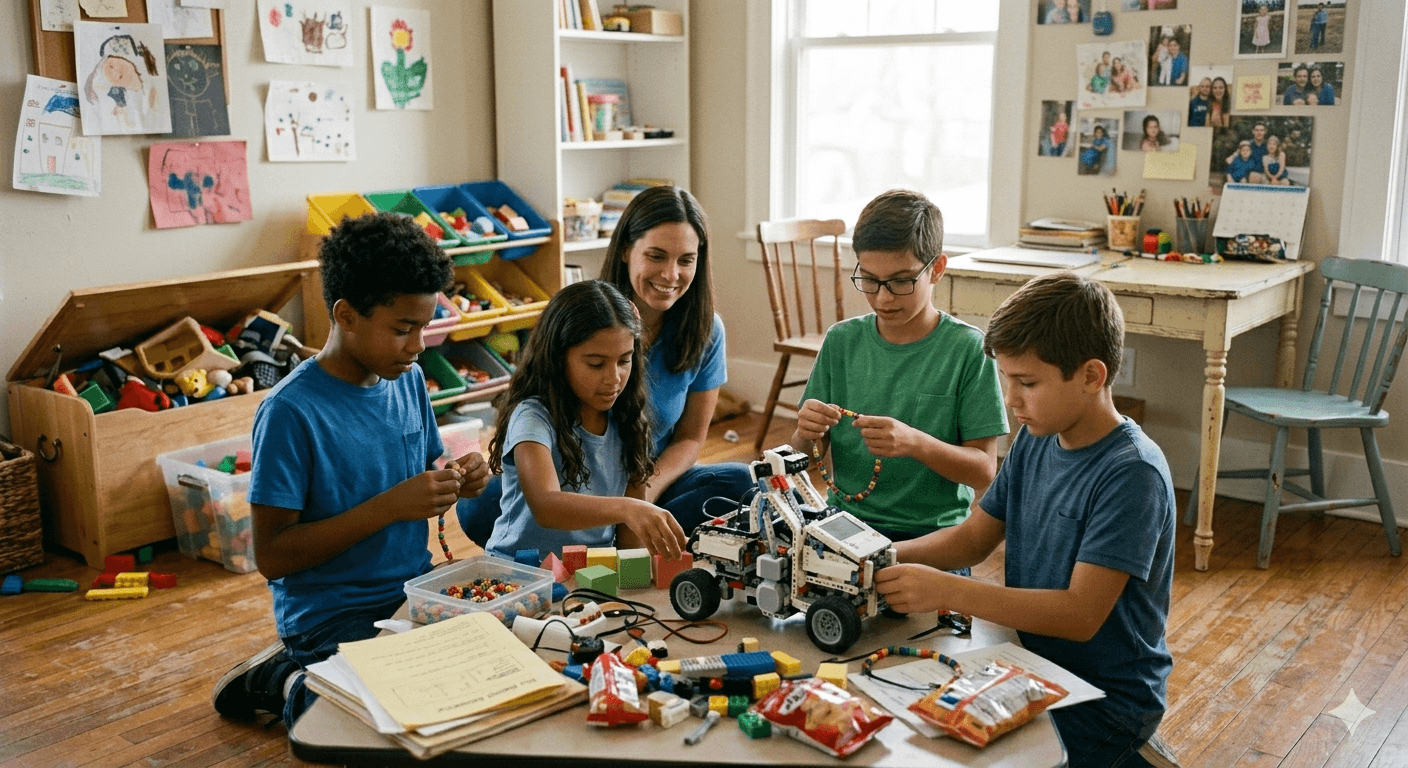
One of the things I have learned from being close to the team behind Funtime Kids Parties is that planning a children’s birthday party is rarely as simple as it looks. Parents often start with themes, decorations, and cake designs, but the real secret to a successful party is something much simpler.
The activities need to match the age of the kids.
Children play very differently as they grow. A party that works perfectly for younger kids can quickly fall apart if the games are too simple for older children. Understanding how kids naturally play at different ages can make planning a birthday party much easier.
For children between four and six years old, parties should focus on playful exploration. Kids in this age group love movement, colorful environments, and games that allow everyone to participate together. Activities should be easy to understand and quick to start because attention spans are still developing.
Simple obstacle courses, treasure hunts, and guided group games are usually the biggest hits at this age. The goal is to keep kids moving and engaged without introducing complicated rules.
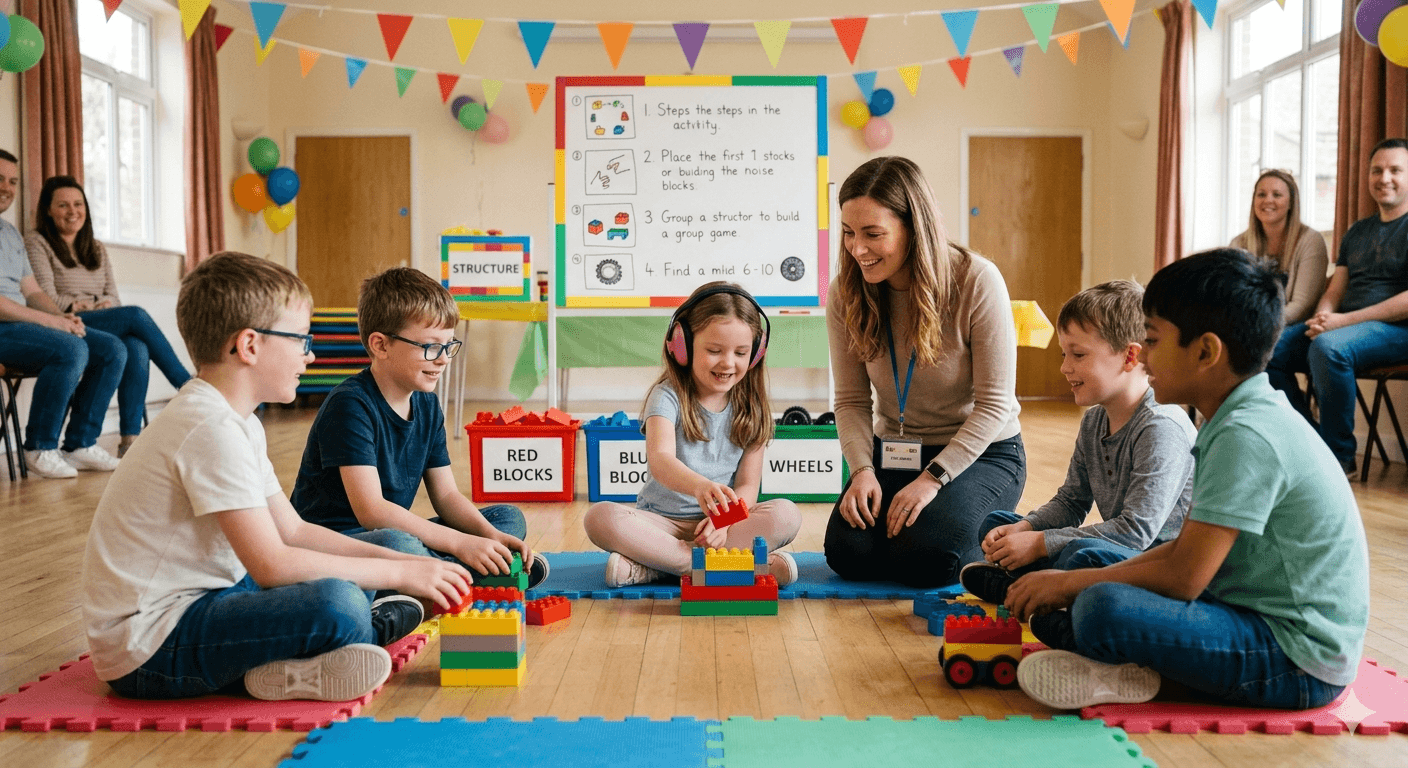
When children reach the seven to nine age range, their interests begin to shift toward more structured activities. They start to enjoy games that involve teamwork and simple competition. This is often when kids begin forming small groups and cheering each other on during challenges.
Party activities for this age group work best when they involve clear goals. Team relay games, scavenger hunts, and mission-style challenges can turn an ordinary party into something much more exciting.
By the time children are ten to twelve years old, they are ready for experiences that feel bigger and more immersive. At this age, kids often prefer activities that involve strategy, teamwork, and a sense of adventure. Competitive team games, challenge courses, or interactive missions tend to keep them engaged much longer than simple party games.
Many parents are surprised to learn that adding structure to a party actually makes the event more fun for kids. When there is a clear flow of activities, children know what to expect and stay involved from start to finish.
It also makes the day much easier for parents. Instead of trying to improvise games or keep kids entertained on the spot, the party naturally moves from one activity to the next.
At Party Koala, we often see parents spend a lot of time focusing on decorations or elaborate party themes. While those things can add excitement, what kids usually remember most are the games they played and the moments they shared with their friends.
Choosing the right activities based on age helps create those moments. Younger kids get to explore and move freely, while older kids get the challenge and teamwork they enjoy.
When planning your child’s next birthday party, try starting with the activities first. Think about how the kids will play, what will keep them engaged, and how the experience will unfold throughout the event.
Once you build the party around the right kind of play, everything else tends to fall into place much more naturally.
And in the end, the most memorable parties are not always the biggest ones. They are the ones where kids spend the entire time laughing, playing, and feeling like they are part of something fun together.
Next Article
Comments