
One of the biggest benefits of competitive games is engagement. Kids are much more likely to stay involved when there is a clear goal. Instead of getting bored or distracted, they stay focused because they want to complete the challenge.
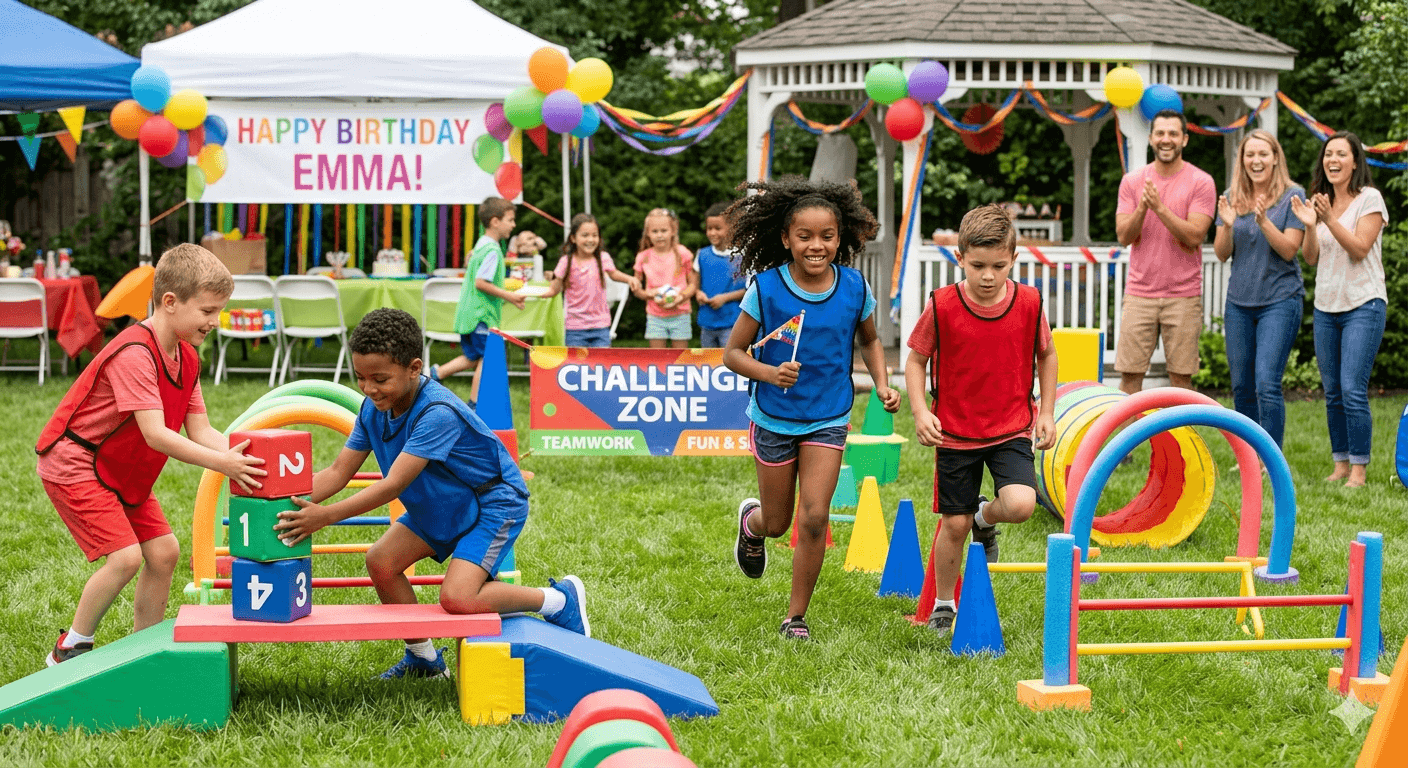
One thing I’ve learned from being close to the team behind Funtime Kids Parties is that the way kids play is not random. There is actually a lot happening beneath the surface, especially when it comes to competitive games.
A lot of parents feel unsure about competition. There’s always that question in the back of their mind. Is it good for kids, or will it create unnecessary pressure?
From what I’ve seen, the answer depends entirely on how the competition is structured.
Kids aged seven to twelve are at a stage where they are learning how to interact with others, handle emotions, and understand their own abilities. Competitive play gives them a safe environment to practice all of these things.
When kids compete in a well-structured game, they are learning how to follow rules, how to work as part of a team, and how to respond to both success and failure.
These are important life skills, and they develop naturally through play.
One of the biggest benefits of competitive games is engagement. Kids are much more likely to stay involved when there is a clear goal. Instead of getting bored or distracted, they stay focused because they want to complete the challenge.
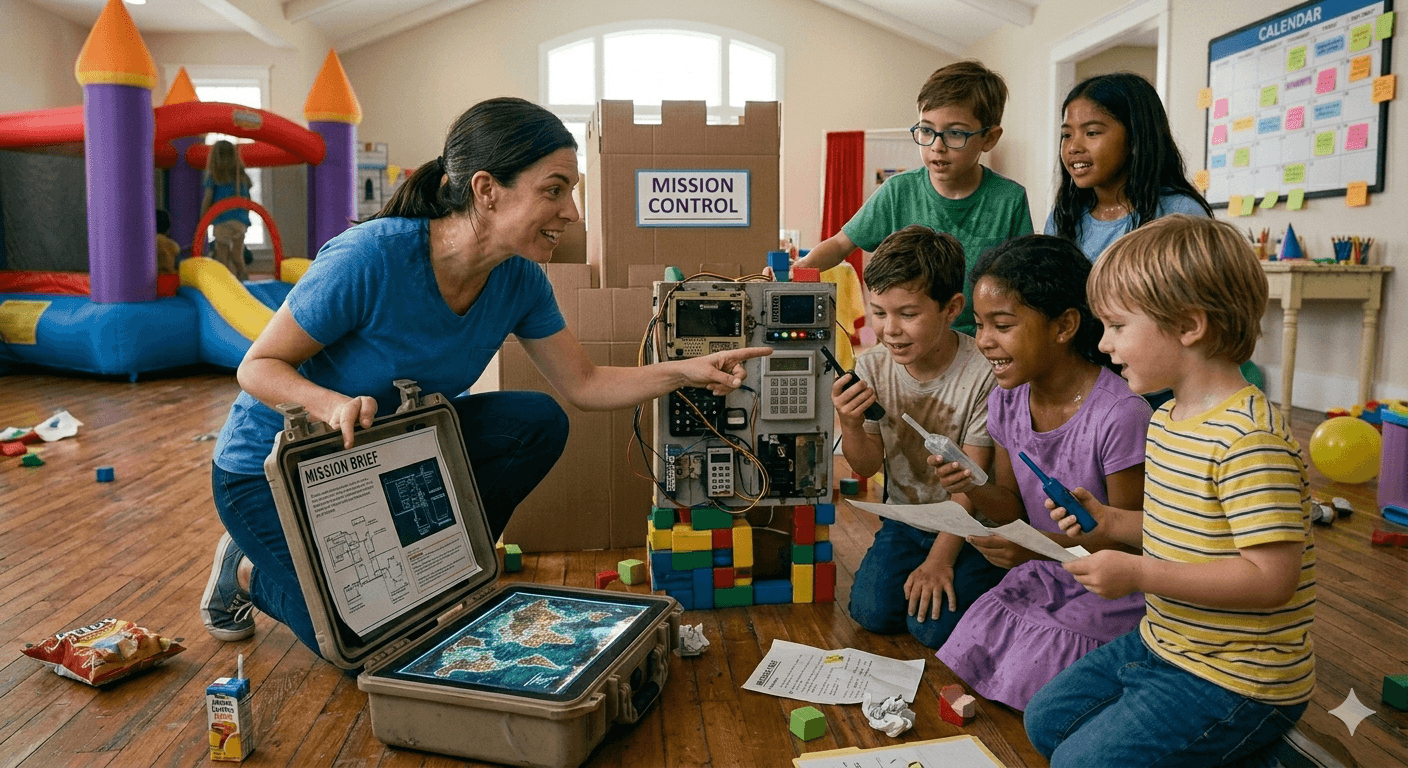
This is why mission-based games work so well at parties. They combine competition with purpose.
Another key benefit is social development. Competitive games encourage kids to communicate, cooperate, and support each other. Even children who are usually quiet often become more active when they feel like they have a role in the game.
From a planning perspective, this is incredibly helpful. Structured competitive games create a natural flow for the party. Instead of trying to keep kids entertained with multiple activities, you can focus on a few well-designed challenges that keep everyone engaged.
It also helps reduce chaos. When kids have a clear objective, they are less likely to lose interest or become disruptive.
What stands out the most to me is how kids respond to these experiences. They don’t just remember the party. They remember the moments within it. The challenge they completed, the team they were part of, the excitement of the game.
That’s what makes a party memorable.
For parents, understanding the science behind competitive play can make planning much easier. It’s not about adding more activities or making things more complicated. It’s about choosing the right kind of play.
When competition is balanced, structured, and inclusive, it becomes a positive force. It helps kids grow, connect, and enjoy themselves in a meaningful way.
And in the context of a birthday party, that’s exactly what you want.
Next Article
Comments