
Mission-based games work so well for this age group because they tap into how kids naturally play at this stage. They want structure, but they also want fun. They want competition, but they also want to feel part of a team.
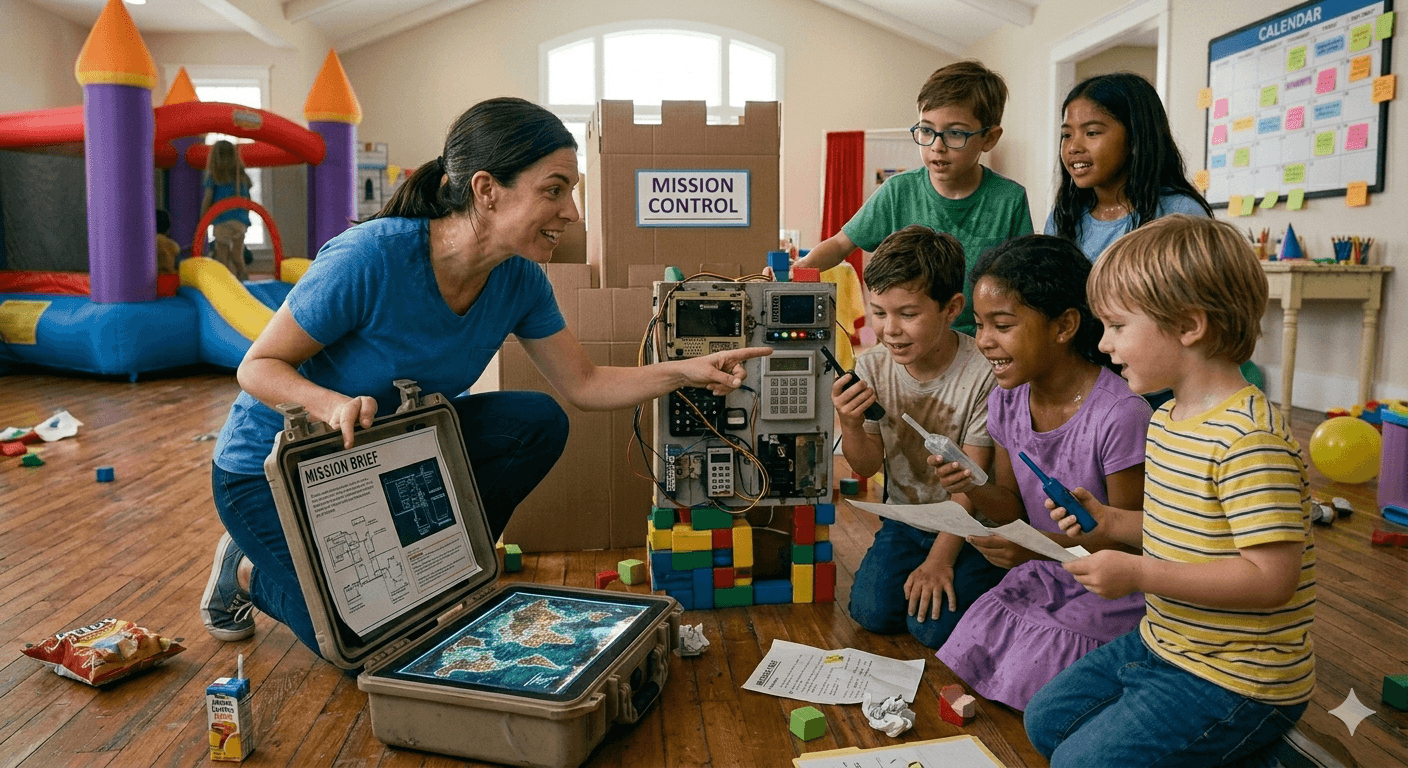
One thing I’ve learned from being close to the team behind Funtime Kids Parties is that not all party games are created equal. Especially when it comes to kids aged seven to twelve.
At that age, kids don’t just want to be entertained. They want to be involved.
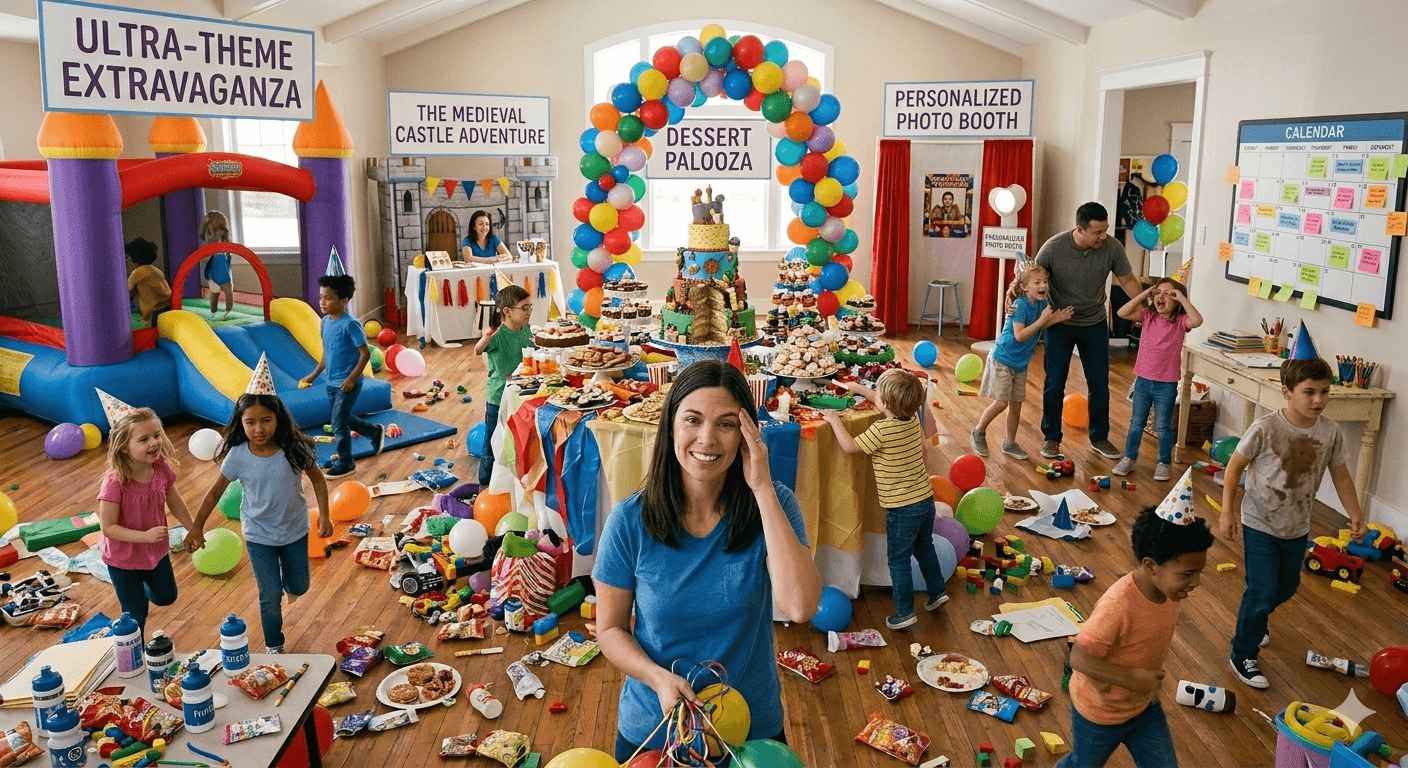
I’ve seen it happen so many times. You start with a typical party setup, a few games, maybe some free play, and the kids are excited at first. But after a while, the energy starts to drop. Kids lose interest. They look for something else to do.
But the moment you introduce a mission-based game, everything changes.
Suddenly, the kids are focused. They are working together. They are excited again.
Mission-based games work so well for this age group because they tap into how kids naturally play at this stage. They want structure, but they also want fun. They want competition, but they also want to feel part of a team.
A mission gives them all of that in one experience.
Instead of playing random games, kids are working toward a goal. It could be solving a challenge, completing a task, or competing against another team. That sense of purpose keeps them engaged for much longer than traditional party games.
Another reason these games work so well is because they create shared experiences. Kids talk to each other, plan together, and celebrate together. It becomes less about individual play and more about group interaction.
And that’s often what parents are looking for without even realizing it. They want their child and their friends to actually connect and enjoy the time together.
From a planning perspective, mission-based games also make things easier. Instead of trying to come up with multiple activities, you can structure the party around a few key challenges. This creates a natural flow and keeps everything organized.
It also helps avoid one of the most common party problems, which is kids getting bored.
When there is a clear objective, kids stay engaged. They know what they are doing and what they are working toward. That alone makes a huge difference in how the party feels.
I’ve noticed that the parties kids remember most are not the ones with the biggest setups or the most decorations. They are the ones where something exciting happened. Where they felt involved. Where they had a role to play.
That’s exactly what mission-based games create.
If you’re planning a party for kids in this age group, it’s worth thinking about how you can turn simple games into missions. It doesn’t have to be complicated. Even small changes, like adding teams or giving a goal to complete, can make a big impact.
Because at the end of the day, kids don’t just want to attend a party.
They want to be part of something.
And when you give them a mission, that’s exactly what happens.
Next Article
Comments