
Structured play can also be very supportive for children with Attention Deficit Hyperactivity Disorder, who often focus better when they can move freely, and children with Autism Spectrum Disorder, who often benefit from clear instructions and predictable activities.
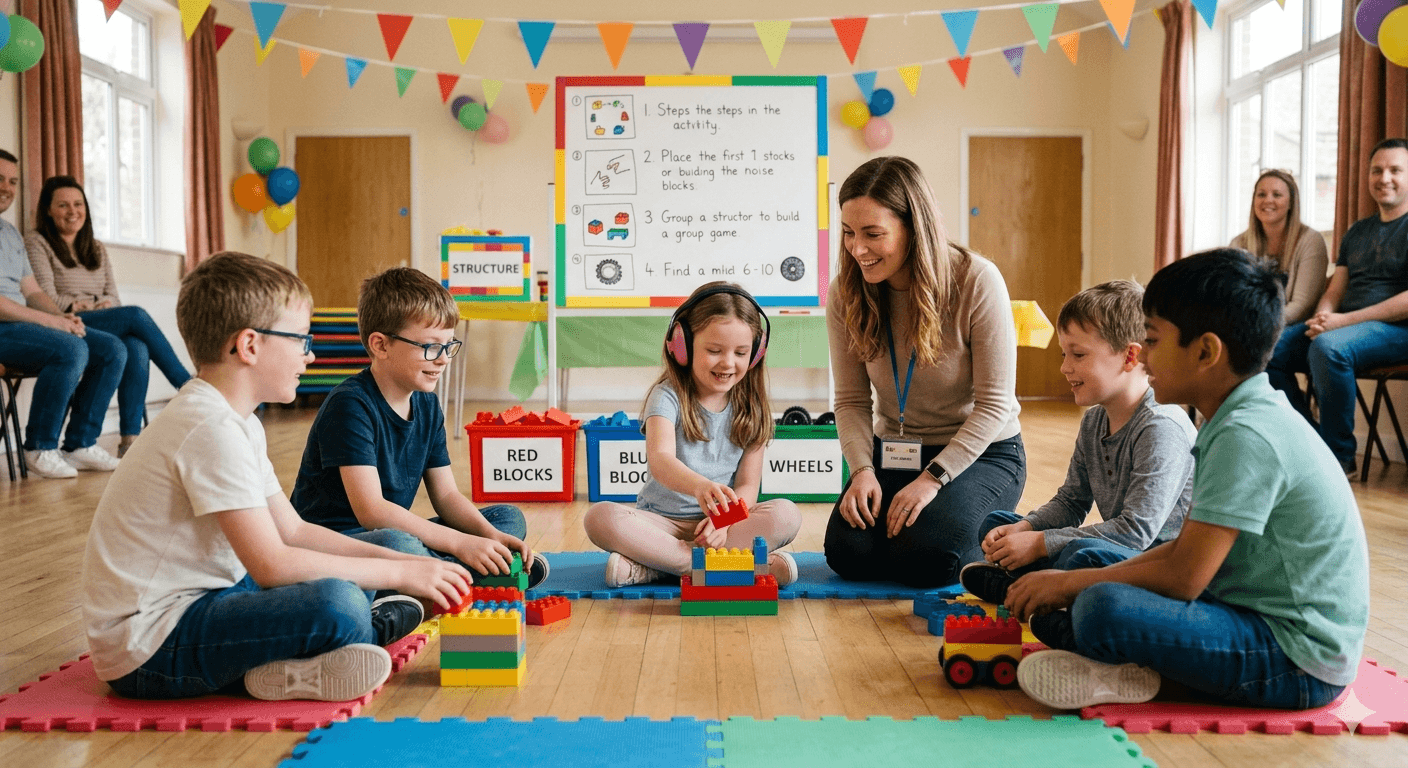
A few months ago, one of my closest mum friends in Sydney called me while planning her son’s birthday party. I could hear the stress in her voice before she even finished explaining the situation. She told me she wanted to create a party that her son would actually enjoy. In the past, she had hosted traditional birthday parties with decorations, music, and a full program. The venue would look beautiful, the food would be prepared, and the host would lead the kids through games and dancing before everyone gathered around the cake.
But every time, the same challenge appeared. Her son, who is on the autism spectrum, often felt overwhelmed. The music was too loud, the room too crowded, and the program too unpredictable. Instead of enjoying the celebration, he would spend much of the party trying to find a quiet space away from the noise.
Listening to her reminded me of something many parents quietly experience but rarely talk about. Birthday parties can be difficult environments for some children. The combination of noise, social expectations, and unstructured time can make it hard for them to feel comfortable.
I asked her a question that changed the direction of the conversation. What if the kids were busy the entire time?
Instead of sitting through a program or waiting for activities to begin, what if they were part of a continuous game with clear goals and teamwork?
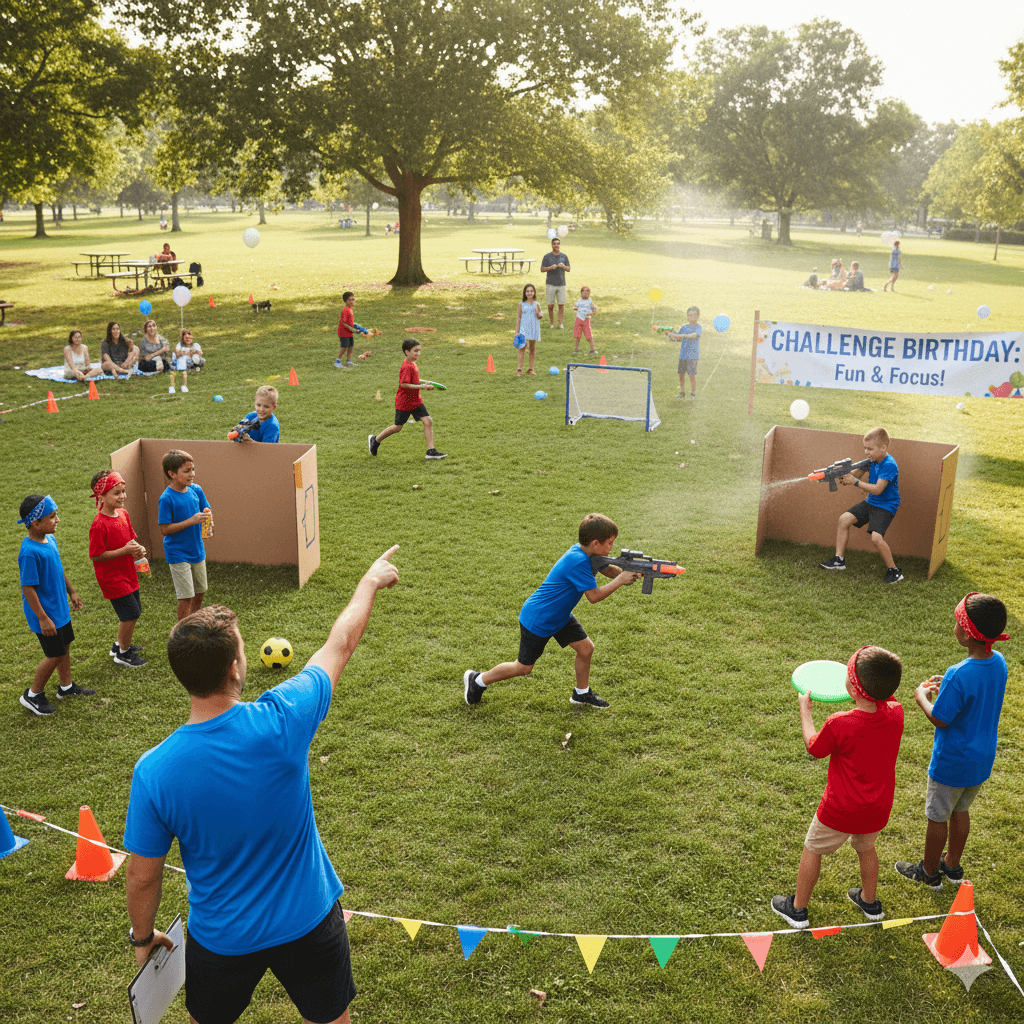
I told her about the structured sports parties run by Funtime Kids Parties, which had become increasingly popular across Sydney and Melbourne. These parties are built around short, rotating challenges where kids are placed into teams from the beginning. Instead of watching a show, they become part of the action.
The games might include relay races, obstacle challenges, passing competitions, or team missions. Because each activity is short and structured, children stay engaged and rarely feel the boredom that can come from long programs.
What I love about this format is how inclusive it naturally becomes. Kids who are energetic can dive straight into the action. Kids who are quieter often find their place in strategic roles within their team. Everyone has a chance to participate.
Structured play can also be very supportive for children with Attention Deficit Hyperactivity Disorder, who often focus better when they can move freely, and children with Autism Spectrum Disorder, who often benefit from clear instructions and predictable activities. Instead of navigating a confusing social environment, kids know exactly what they are meant to do.
My friend decided to try it. The party took place in a park in Sydney on a sunny afternoon. Within minutes, the children were running across the field, laughing and cheering as they completed challenge after challenge. There was no waiting around and no stage program. Just game after game that kept the energy flowing.
At one point, my friend turned to me and said something I will never forget. She said it was the first birthday party where her son looked completely relaxed.
He was not overwhelmed. He was not trying to escape the noise. He was simply playing with his teammates.
That moment reminded me that sometimes the best gift we can give children is not a bigger party but a better environment where they can be themselves.
More parents across Sydney and Melbourne are discovering that structured play parties create exactly that.
Next Article
Comments